
How the Online Roulette House Edge Explained Hits Your Bankroll
Roulette Lab has built its entire catalogue around one question most platforms prefer to bury: how much does the house actually keep? Working between Tokyo VIP rooms and Montreal live-dealer studios, I’ve watched operators obscure that figure behind flashy side bets and misleading bonus terms, so a brand that publishes its edge per variant is worth a proper look. The platform lists thirty-one roulette titles across European, French, American and live-dealer formats, all with the house percentage displayed before you place a chip. Here is how the online roulette house edge explained through real variant comparisons changes the way you pick a table.
What the House Edge Actually Represents
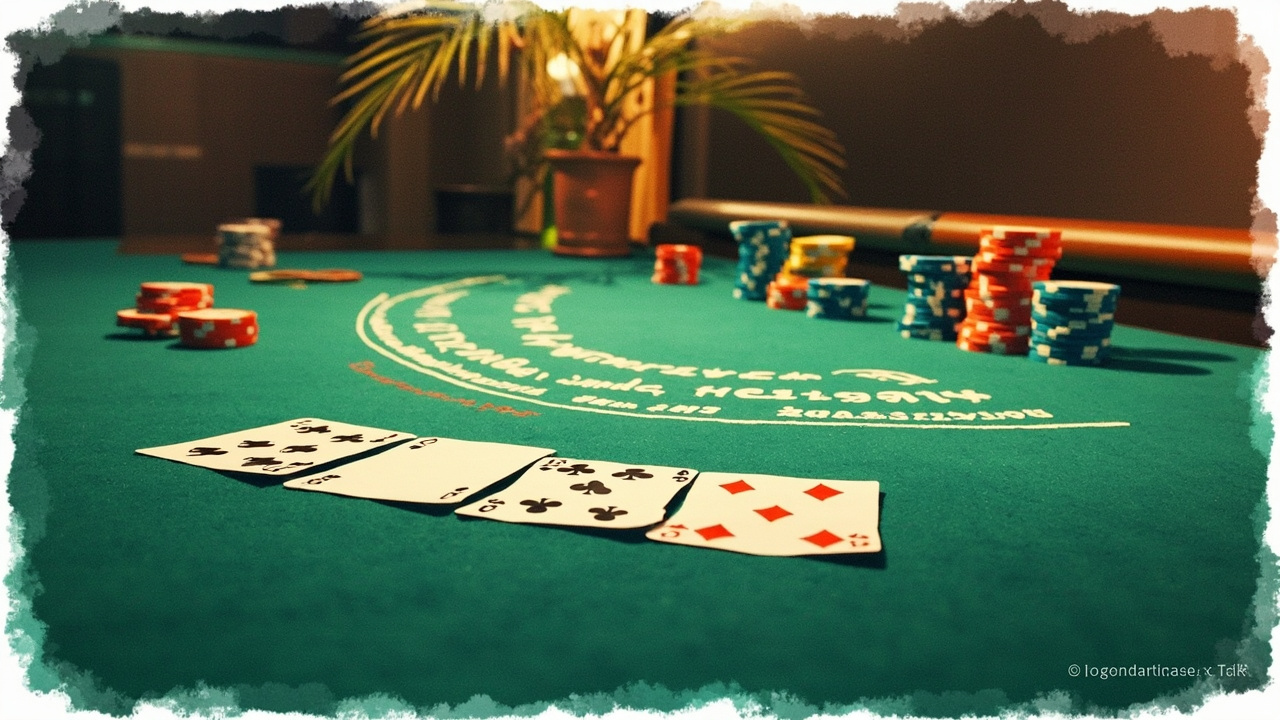
The house edge is the casino’s long-term cut from every dollar wagered, a percentage of total bets. It is not a per-spin fee, not a tax on winning rounds, and not something a clever system can outplay – it is the gap between true odds and what the table pays you. European roulette, with a single zero, carries a 2.70% edge. American roulette, which adds a double zero, jumps to 5.26%. French roulette, when la partage or en prison applies on even-money bets, drops the effective edge to 1.35% on those wagers. That is the baseline every player should memorise before loading a strategy guide.
Slot catalogues that publish their hit frequency openly, such as the maths page at https://big-bass-floats-my-boat.com, set a clarity standard that more roulette sites should copy in their lobby.
In my retention work across Asian markets, French roulette has become the default for high-limit baccarat players moving to the wheel, since the 1.35% on even-money bets mirrors a banker commission without the emotional drag of a losing streak. Players killing time between shifts in Newcastle, or running an arvo session from a Wollongong flat, will find the variant they load first decides whether their bankroll lasts ninety minutes or fifteen.
Reading Roulette Lab’s Edge Profile Across Every Wheel
European and French Tables: The Honest End of the Lobby
The European and French tables make up the bulk of the catalogue, and for good reason. Twenty-one European variants run on a single-zero wheel, with the house edge locked at 2.70% regardless of whether you bet on a single number, a split, or a column. French roulette adds the la partage rule on even-money bets, cutting the edge choose to 1.35% on red, black, odd, even, and the dozens, which is why the platform labels those tables clearly. Minimum bets start at $0.20 AUD on the standard French table and climb to $50 on the Salon Privé live room, giving budget players and high-stakes grinders the same edge per spin.
American Wheels and Side Bets: Where the Edge Climbs
The American tables tell a different story, and the lobby makes no effort to hide it. Five variants run on a double-zero wheel, pushing the house edge to 5.26% on every inside and outside bet. The side-bet range carries an edge worth breaking down:
- Hot Numbers: 9.4% edge
- Red/Black streaks: 11.2% edge
- Custom jackpot feature: 13.8% edge
“Players chasing the American wheel for the five-number tease should treat it as a slot, not a strategy bet,” says Lachlan Martin, Customer Experience Lead at Ironbark Compliance Advisory. The maths agree: a $5 spin on a straight-up American bet loses roughly twenty-six cents on the dollar over time, and the side bets double that bleed.

Live Dealer and Lightning Roulette: Speed Versus Transparency
Live dealer tables introduce a pace variable that changes session length more than the edge itself. Roulette Lab streams fourteen live rooms from Evolution and Pragmatic Play Live studios, with the standard live European wheel holding the 2.70% baseline and the French live table keeping la partage intact. Lightning Roulette, the marquee product, pays 29:1 on straight-up numbers but adds a 40% house edge on the lightning payout segment, which is buried in the help file rather than the lobby. The mobile browser version loads in under four seconds on a standard regional NSW 4G connection, so the maths stay accessible even during a quick session between errands. The platform operates under a Curacao licence, processes AUD through POLi and PayID, and runs a 24/7 live chat for edge questions.
Which Player Profile Fits This Edge Profile
The careful grinder. Players who stake $1 to $5 per spin on French or European tables and chase the 1.35% to 2.70% edge will see the most mileage from this catalogue. They will likely skip the American lobby entirely, ignore side bets, and use the platform’s deposit-match bonus only when the wagering contribution for roulette hits 30% or higher, which is the threshold where the math stays neutral.
The live-dealer enthusiast. Anyone running forty-five-minute sessions from a Sydney train delay or a packed Melbourne tram will appreciate the fourteen live rooms, the $0.50 minimums on the standard European live table, and the French live room’s la partage rule. They should avoid Lightning Roulette’s straight-up segment unless they treat it as a side game, not a core bet.
The diversified player. Those who split time between the wheel and community formats – checking bingo tournament platform picks between sessions for variety – will find the reload bonus structure rewards cross-vertical play, though roulette wagering contribution still caps at 20% on the welcome package, and the cashback ladder pays 5% weekly on net losses above $200.
Roulette Lab earns its reputation by doing one thing most competitors avoid: showing the maths before you sit down. The French and European tables deliver a fair 1.35% to 2.70% edge, the American lobby comes with clear warnings, and the live rooms keep the pace honest. For Australian players who reckon a transparent edge profile matters more than a flashy welcome banner, this is a roulette-first platform built around the right question. No guarantees, just clearer numbers.